02 / Product + design systems / 2026
Ivykiss Commerce System
Transforming a fragmented B2B ecommerce homepage and UI library into an editable, measurable, and agent-ready commerce system.
Disciplines
- Product Design
- Design Systems
- Content Strategy
- Design Operations
01 / Overview
A system for faster, more consistent assembly
From May to July 2026, I independently led the Ivykiss homepage redesign and a broader design-system refactor.
I audited the existing library, adapted an established foundation for ecommerce, and documented Ivykiss-specific architecture and rules in Markdown so designers—and future AI-assisted workflows—could understand how to use it.
02 / Problem
Pages and components were difficult to operate
Without a better operating structure, the homepage would remain a collection of static banners rather than function as a business tool.
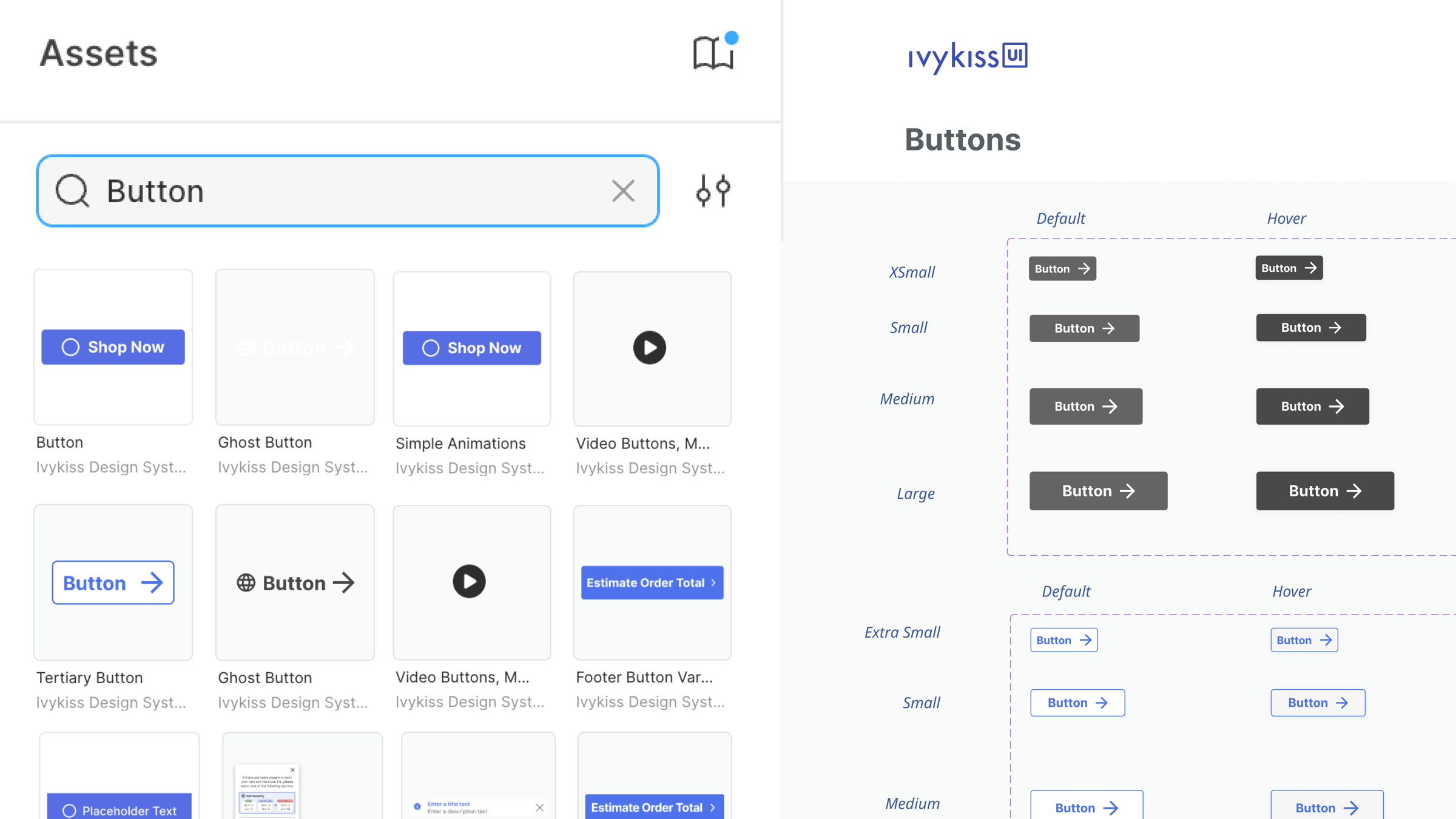
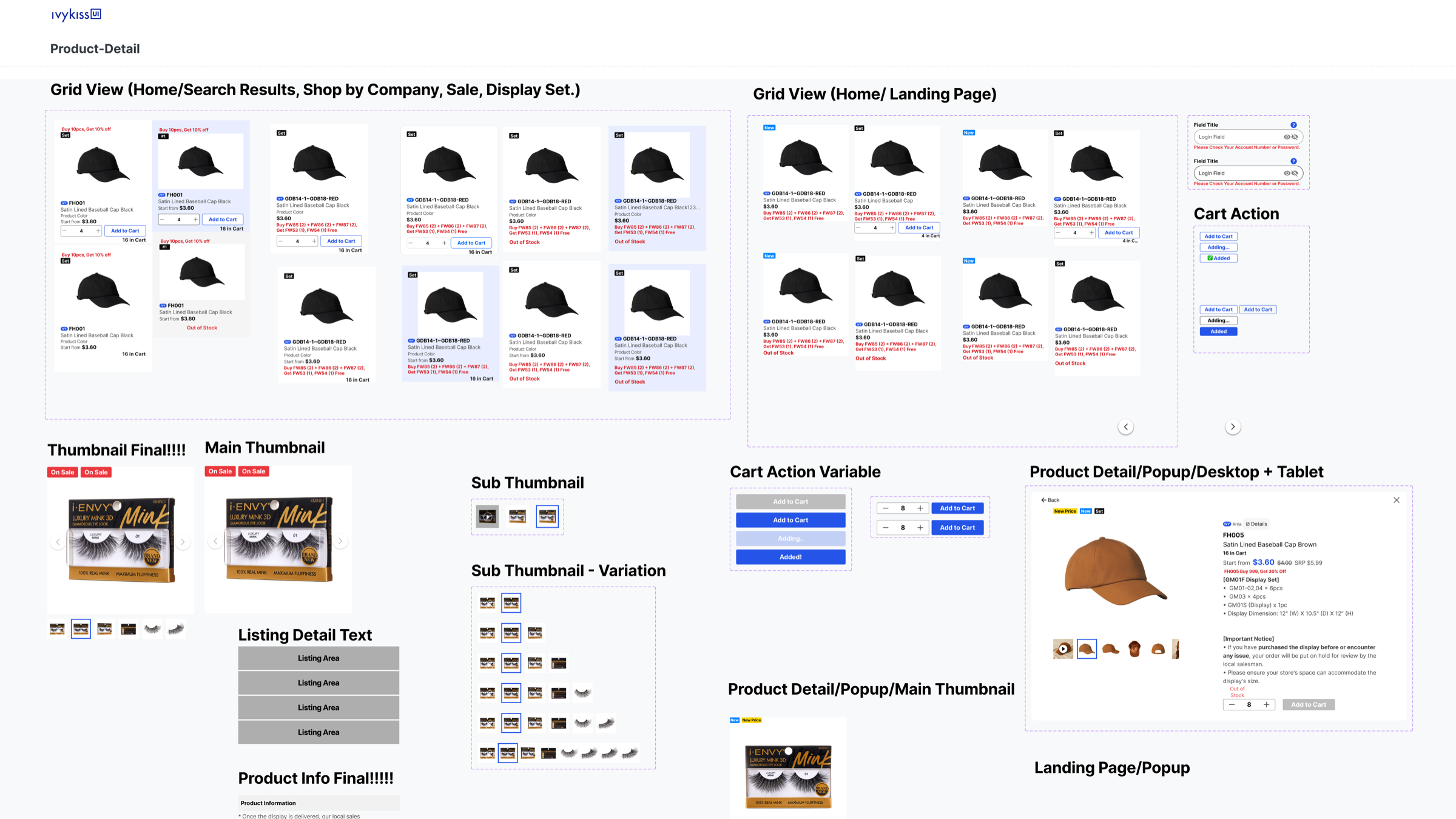
The homepage attracted a steady audience, but very little of that traffic translated into interaction with the main banner. The UI library also slowed page assembly through unclear component purposes, missing states, and no shared definition document.
Pre-redesign directional baseline—not a unique-user click-through rate (CTR).
Unclear information hierarchy
Promotions, product content, and operational notices competed for attention without a clear order of importance.
Limited operational flexibility
Even a copy, price, or campaign update often required reopening, editing, exporting, and uploading a new asset.
Limited performance visibility
Without measurement by section and banner position, it was difficult to identify what actually drove engagement.
Repeated production across formats
The same campaign had to be recreated for different devices, banner ratios, placements, and image or live-text formats.
03 / Homepage System
Editable blocks instead of static banners
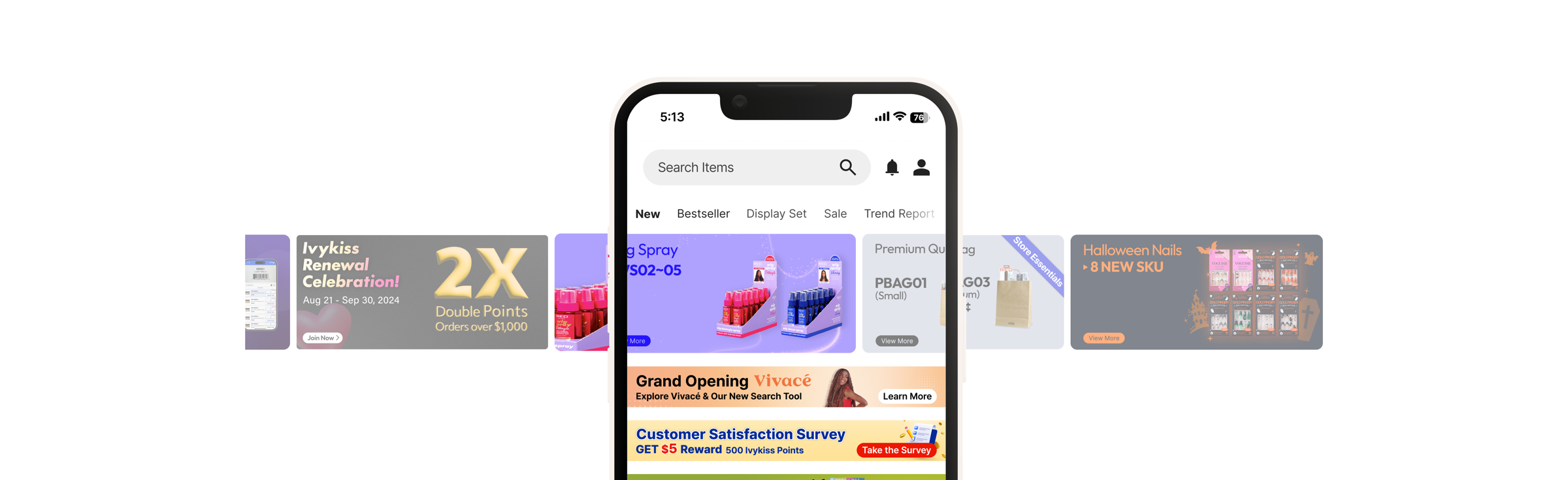
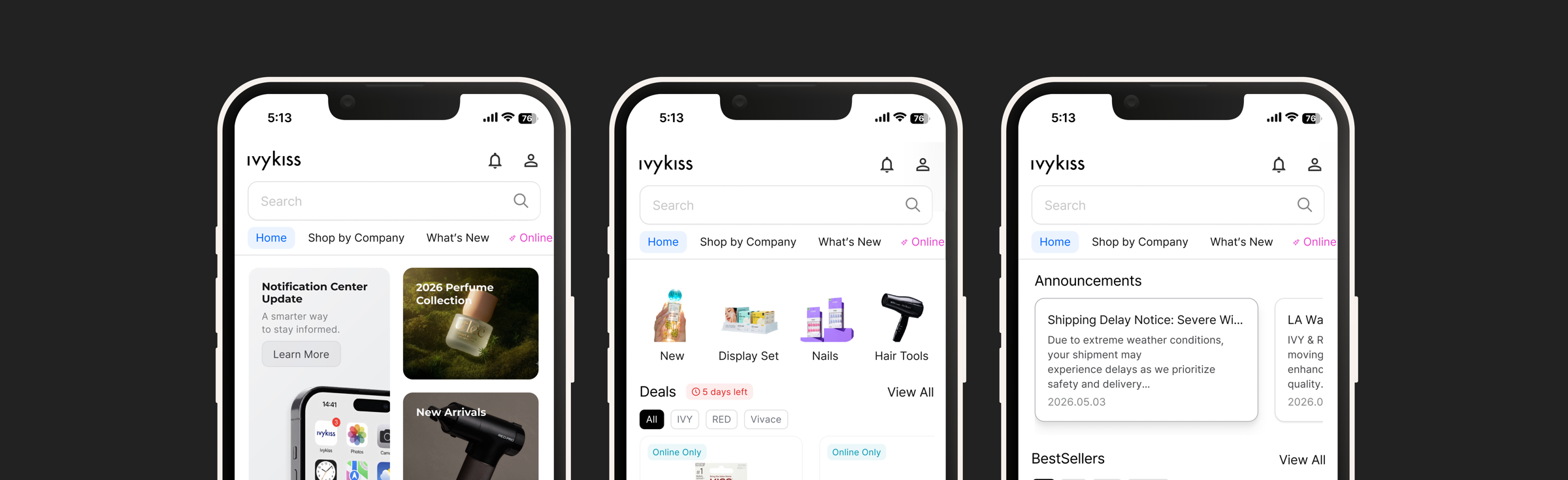
I separated campaign backgrounds, live copy, and CTAs into reusable Odoo blocks. Teams could assemble and update sections without rebuilding a complete banner or repeatedly routing changes through an external development vendor.
GA4 events made each homepage position measurable, while structured content rules kept campaigns, operational notices, and product discovery distinct.
04 / Design System
Clearer components, built for commerce
I clarified component properties, interaction states, platform status, and usage guidance, then extended the library with commerce-specific patterns such as Product Cards.
The new architecture helped designers find and assemble production-ready components faster, while the Markdown documentation created an agent-ready foundation without changing the established visual language unnecessarily.

05 / Impact
More engagement from nearly the same audience
During the 45 days after launch, unique users remained nearly unchanged while the redesigned homepage generated stronger content engagement and downstream actions.
GA4 comparison: June 26–August 9, 2026 vs. the preceding 45-day period.